%20-%20Edited_edited.png)
Boost Your Electrical System's Reliability

Ensuring your electrical systems operate smoothly and without interruption is crucial for both residential and commercial settings. Reliable electrical systems not only prevent costly downtime but also enhance safety and efficiency. This article explores practical ways to boost your electrical system's reliability, offering actionable advice and insights to help you maintain a stable power supply.
Understanding Reliable Electrical Systems: Key Components and Benefits
Reliable electrical systems are designed to provide consistent power without unexpected failures. They incorporate quality components, proper installation, and regular maintenance to minimize disruptions. Here are some essential elements that contribute to a reliable electrical system:
High-quality wiring and components: Using durable materials reduces the risk of wear and tear.
Proper circuit design: Ensures balanced load distribution and prevents overloads.
Backup power solutions: Such as generators or uninterruptible power supplies (UPS) to handle outages.
Regular inspections and maintenance: Identifies potential issues before they cause failures.
The benefits of maintaining reliable electrical systems include improved safety, reduced repair costs, and enhanced operational efficiency. For example, a manufacturing plant with a reliable electrical setup can avoid costly production halts caused by power interruptions.

How to Enhance Reliable Electrical Systems in Your Facility
Improving the reliability of your electrical system involves a combination of strategic planning, quality equipment, and ongoing care. Here are some practical steps to consider:
Conduct a thorough electrical audit: Identify weak points and outdated components.
Upgrade outdated equipment: Replace old circuit breakers, wiring, and panels with modern, certified alternatives.
Implement surge protection: Protect sensitive electronics from voltage spikes.
Install monitoring systems: Use smart meters and sensors to track electrical performance in real-time.
Schedule routine maintenance: Regularly check connections, clean components, and test backup systems.
For instance, installing a surge protector can prevent damage to computers and machinery during storms or power fluctuations, saving money and downtime.

What is needed to ensure reliability of electrical service?
Ensuring the reliability of electrical service means maintaining a continuous and stable power supply that meets the demands of your facility. This involves several critical practices:
Load management: Balancing electrical loads to prevent overloading circuits.
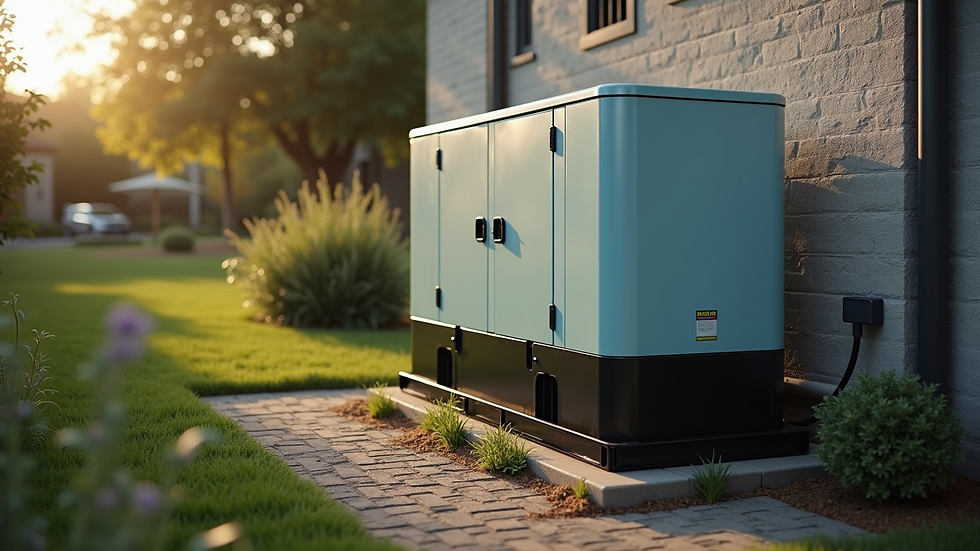
Redundancy: Incorporating backup systems like generators or battery storage to take over during failures.
Preventive maintenance: Regularly servicing equipment to avoid unexpected breakdowns.
Rapid response plans: Having protocols in place for quick repairs when issues arise.
For example, a hospital must have redundant power sources to guarantee life-saving equipment remains operational during outages. Similarly, businesses can minimize losses by having contingency plans and backup power.
Practical Tips to Maintain and Monitor Your Electrical System
Maintaining a reliable electrical system requires ongoing attention and proactive measures. Here are some actionable tips:
Keep electrical panels accessible and clean: Dust and debris can cause overheating.
Label circuits clearly: Helps in quick identification during troubleshooting.
Train staff on electrical safety: Reduces the risk of accidents and improper handling.
Use energy-efficient devices: Lower power consumption reduces strain on the system.
Schedule professional inspections annually: Certified electricians can spot hidden issues.
Additionally, integrating smart technology can alert you to anomalies before they escalate. For example, smart circuit breakers can notify you of unusual current flows, allowing early intervention.
Partnering with Experts to Achieve Electrical System Reliability
Achieving and maintaining electrical system reliability often requires expert knowledge and experience. Professional electricians can provide:
Comprehensive system assessments
Customized upgrade plans
Installation of advanced monitoring tools
Emergency repair services
Working with trusted professionals ensures your electrical system meets safety codes and operates at peak efficiency. Whether you need a simple upgrade or a complete overhaul, expert guidance is invaluable.
By following these guidelines and investing in quality components and professional services, you can significantly boost the reliability of your electrical systems. This not only safeguards your property and equipment but also ensures uninterrupted operations and peace of mind.


Comments